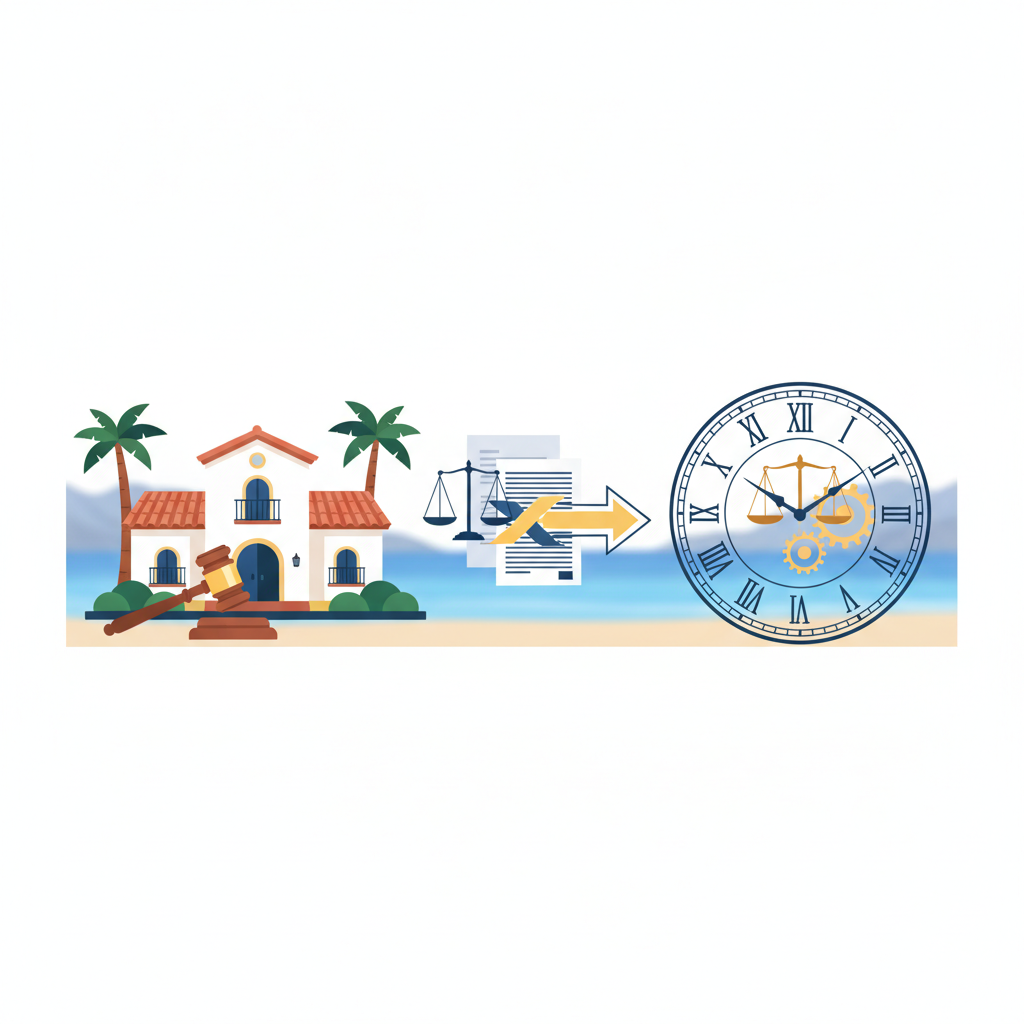
For property owners in the Costa del Sol, having a tenant who fails to pay rent or refuses to leave the premises can be an overwhelming experience. The Spanish legal system has evolved to provide owners with more efficient mechanisms to recover their properties. My name is Victoria Malkova, a lawyer based in the Costa del Sol specializing in real estate and civil law. In this article, I will explain the intricacies of what is commonly known as "Desahucio Express" or "Express Eviction in Spain: Deadlines and Phases of the Judicial Process," helping you understand how the law protects your investment.
What is the Express Eviction Law?
The term "Express Eviction" refers to a series of legislative reforms, primarily those introduced to the Law of Civil Procedure and the Urban Leasing Law (LAU), designed to speed up the recovery of properties in cases of non-payment of rent or expiration of the lease term. In regions like the Costa del Sol, where the rental market is highly dynamic due to tourism and international residents, understanding these procedures is vital for any landlord.
The primary goal of this procedure is to reduce the time an owner has to wait to regain possession of their property. While the term "express" suggests an immediate solution, it is important to recognize that it still follows a strictly regulated judicial path. According to the Ley de Arrendamientos Urbanos (LAU), certain requirements must be met before a lawsuit can be filed, and having specialized legal counsel is mandatory.
Phases of the Express Eviction Process
Understanding the phases of the process is essential to manage expectations and ensure that every legal step is taken correctly. As a lawyer operating in the Costa del Sol, I guide my clients through the following stages:
1. Pre-judicial Phase: The Burofax
Before initiating a lawsuit, it is highly recommended (and sometimes mandatory to prevent "enervación" or the tenant's right to pay and stay) to send a formal demand for payment via Burofax with acknowledgment of receipt and certification of content. This provides legal proof that the landlord attempted to settle the debt out of court. If the tenant does not pay within 30 days of receiving this notice, they lose the right to stop the eviction by simply paying the arrears later in the process.
2. Filing the Lawsuit (Demanda)
The judicial process begins with the filing of a lawsuit. This document must be signed by both a lawyer and a court solicitor (Procurador). In the lawsuit, the landlord can claim both the recovery of the property and the payment of all outstanding debts, including rent and utility bills. At this stage, the landlord must provide the lease agreement and proof of ownership (Nota Simple or Title Deed).
3. Admission of the Lawsuit and Notification
Once the court in the Costa del Sol (or the relevant jurisdiction) accepts the lawsuit, a decree is issued. This decree is crucial because it already sets two vital dates: the date for the trial (if the tenant opposes) and the date for the "lanzamiento" or the actual eviction. The tenant is then officially notified and given 10 business days to respond.
4. The Tenant's 10-Day Window
During these 10 days, the tenant has three options:
- Vacate the property and pay the debt.
- Vacate the property but not pay (the debt remains as a claim).
- Oppose the lawsuit based on legal grounds (e.g., claiming the rent has been paid).
5. The Trial and Final Sentence
If the tenant chooses to oppose the lawsuit, a trial date is set. In many cases of non-payment, the defenses are limited, and if the debt is proven, the judge will issue a sentence ordering the eviction and the payment of debts plus legal costs.
Deadlines: How Long Does It Really Take?
The question most landlords ask me in my Costa del Sol office is: "How long will it take to get my keys back?" While the law aims for speed, the reality depends heavily on the workload of the specific court (Juzgado) handling the case. In areas with high litigation rates like Marbella, Fuengirola, or Estepona, the timeline can vary.
On average, an "express" eviction can take anywhere from 4 to 8 months. However, if the tenant is considered "vulnerable" under current Spanish social housing laws, the process may be suspended for a period ranging from one to four months until social services can provide a housing solution. As your lawyer, Victoria Malkova, I work to minimize these delays by ensuring all documentation is flawless from day one, preventing any procedural setbacks that could extend these deadlines.
The Importance of Legal Representation in the Costa del Sol
Dealing with a tenant who refuses to leave is emotionally and financially taxing. Attempting to force a tenant out by changing the locks or cutting off utilities is strictly prohibited in Spain and can lead to criminal charges against the landlord for "coacciones" (coercion). The only legal way to recover your property is through the judicial process of "Express Eviction in Spain: Deadlines and Phases of the Judicial Process."
My firm, led by Victoria Malkova, provides comprehensive support to international owners. We understand that many of our clients do not live in Spain year-round, and we take care of the entire process—from sending the initial Burofax to representing you in court and coordinating with the commission for the final handover of the property. Our deep knowledge of local court procedures in the Costa del Sol ensures that your rights as a landlord are defended with the utmost professionalism.
Conclusion
While the prospect of a legal battle may seem daunting, the express eviction process is a powerful tool for landlords when handled correctly. By following the regulated phases and respecting the judicial deadlines, you can recover your property and mitigate financial losses. If you are facing a situation with a non-paying tenant in the Costa del Sol, do not wait until the debt becomes unmanageable. Early legal intervention is the key to a successful and swift resolution.
For personalized legal advice regarding property law or to initiate an eviction process, feel free to contact the office of Victoria Malkova. We are here to protect your interests in Spain.