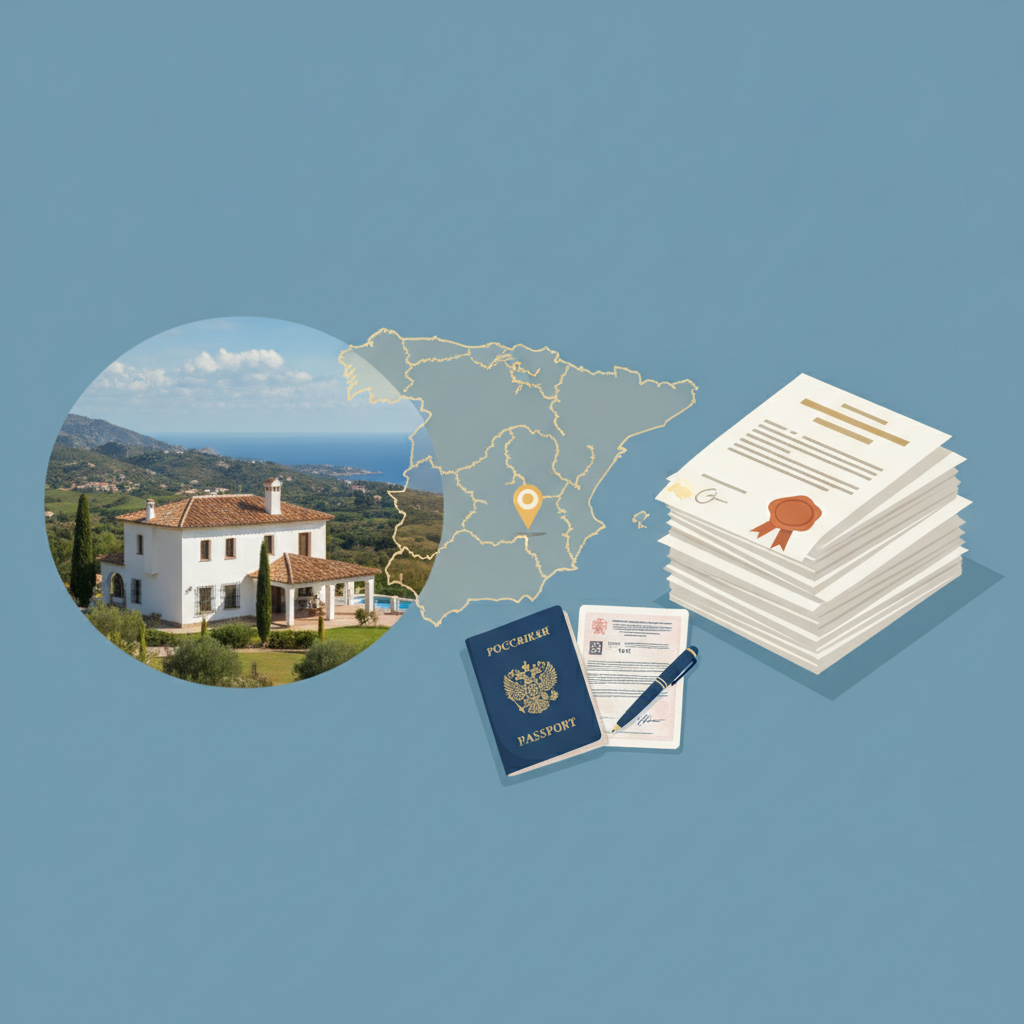
The Costa del Sol remains one of the most attractive destinations for international investors and those seeking a secondary residence in the Mediterranean. From the luxury of Marbella to the charming streets of Estepona, the real estate market offers unparalleled opportunities. However, navigating the Spanish legal system can be a complex endeavor for those unfamiliar with local regulations. I am Victoria Malkova, a Russian lawyer based in the Costa del Sol, specializing in real estate law. My mission is to ensure that your investment is secure, transparent, and legally sound.
One of the most frequent questions my clients ask is regarding the specific paperwork required to finalize a transaction. Understanding the necessary documentation for foreigners when buying a property in Spain is the first step toward a successful acquisition. Failing to provide the correct papers can lead to significant delays, financial penalties, or even the cancellation of the purchase agreement.
The Identity Requirement: Obtaining Your NIE
The most fundamental piece of documentation for any non-resident looking to invest in Spanish real estate is the NIE (Número de Identidad de Extranjero). This is a personal, unique, and exclusive identification number assigned to foreigners who, for economic, professional, or social reasons, are involved in activities in Spain.
You cannot sign a title deed (Escritura) or pay the associated taxes without an NIE. This number must be requested at the Spanish National Police stations or, if you are abroad, through the Spanish Consulate in your country of residence. As your legal representative, I often assist clients in streamlining this process to ensure the number is ready well before the signing date at the Notary. It is important to note that the NIE does not grant residency; it is strictly a fiscal identification number.
Financial Documentation and Anti-Money Laundering Compliance
Spain has strict regulations regarding the prevention of money laundering. Therefore, one of the most critical aspects of the necessary documentation for foreigners when buying a property in Spain involves proving the origin of your funds. Banks, Notaries, and even real estate agents are required by law to verify where the investment capital is coming from.
You will typically need to provide:
- Personal tax returns from your country of origin.
- Bank statements showing the history of the funds.
- Employment contracts or proof of business ownership.
- If the funds come from a previous sale of an asset or an inheritance, the legal documents proving those transactions.
Additionally, while it is not strictly mandatory by law to have a Spanish bank account to buy property, it is highly recommended. You will need a local account to pay for utilities, community fees, and local taxes via direct debit. Most Notaries also prefer that payments for the property are made via Spanish banker’s drafts to ensure immediate verification.
Property-Specific Documentation: The Due Diligence Phase
While the buyer must provide personal documentation, the legal focus also shifts to the property being purchased. In my practice at the Costa del Sol, I perform a rigorous due diligence process to verify that the property is free of charges and encumbrances. The following documents are essential:
Nota Simple: This is an extract from the Land Registry (Registro de la Propiedad). It provides a description of the property, identifies the legal owners, and lists any debts, mortgages, or legal seizures registered against the property. You can find more information about how the registry works at the official site of the College of Registrars of Spain.
IBI Receipts: The Impuesto sobre Bienes Inmuebles (IBI) is the local property tax. We must ensure that the seller is up to date with these payments, as unpaid taxes are attached to the property itself, not the previous owner.
Energy Performance Certificate: By law, the seller must provide an official certificate indicating the energy efficiency of the building. This is mandatory for all sales and rentals in Spain.
Certificate of Occupancy (Cédula de Habitabilidad): This document confirms that the property meets the minimum living standards required by the local autonomous community. In Andalusia, this is often linked to the License of First Occupation (LFO).
The Role of the Arras Contract
Before the final signing before a Notary, it is common to sign a "Contrato de Arras" or deposit contract. This document outlines the terms and conditions of the sale, the price, the deadline for completion, and the penalties if either party backs out. This contract is part of the vital documentation because it binds both parties legally until the public deed is signed. As your lawyer, I personally draft or review this contract to ensure that your interests are protected and that all clauses are fair and compliant with Spanish Law.
Closing the Deal: The Public Deed and Post-Sale Duties
The culmination of the process takes place at the Notary's office, where the "Escritura de Compraventa" (Public Deed of Sale) is signed. For this meeting, foreigners must bring their original passport and their original NIE certificate. If you cannot be present in person in the Costa del Sol, you can grant a Power of Attorney (Poder Notarial) to me, allowing me to sign on your behalf.
Once the deed is signed, the work is not finished. The necessary documentation for foreigners when buying a property in Spain also includes the tax liquidation forms (ITP for second-hand homes or IVA and AJD for new builds). Finally, the deed must be presented to the Land Registry to formally change the ownership. Only when the property is registered in your name is your ownership fully protected against third parties.
Expert Legal Assistance in the Costa del Sol
Buying a home in a foreign country is a significant emotional and financial milestone. My name is Victoria Malkova, and I specialize in bridging the gap between the complex Spanish legal requirements and international buyers. From obtaining your NIE to the final registration of your home in the Costa del Sol, I provide comprehensive legal support tailored to the specific needs of the Russian-speaking community and other international investors.
By ensuring that all the necessary documentation for foreigners when buying a property in Spain is meticulously prepared and verified, we eliminate risks and allow you to focus on enjoying your new life in the sun. If you are planning to invest in the Malaga region, do not hesitate to seek professional legal counsel to safeguard your future home.