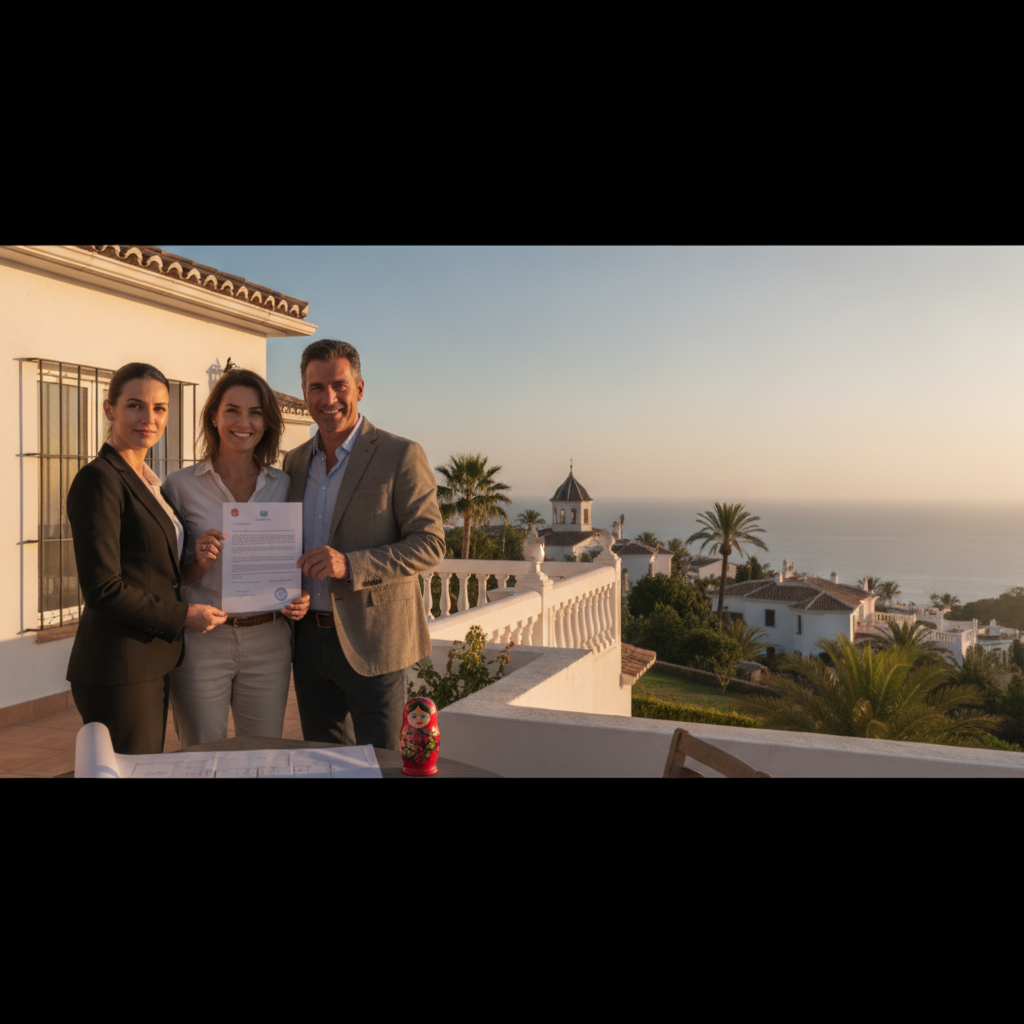
Buying a property in the sun-drenched Costa del Sol is a dream for many. Whether you are looking for a luxury villa in Marbella, a modern apartment in Estepona, or a charming townhouse in Fuengirola, the process of acquiring real estate in Spain is an exciting journey. However, beneath the Mediterranean charm lies a complex legal landscape that requires precision, local knowledge, and an unbiased perspective. For international buyers, particularly those from the Russian-speaking community, navigating these waters can be daunting.
My name is Victoria Malkova, a dedicated lawyer based in the heart of the Costa del Sol. I often see clients who believe that the real estate agency is sufficient to handle the entirety of the transaction. While agencies play a vital role in finding the right property, they are not a substitute for independent legal counsel. Understanding the role of the lawyer in the purchase and sale of real estate in Spain: why not depend only on the agency? is the first step toward securing your investment and your peace of mind.
The Conflict of Interest: Agency vs. Lawyer
Real estate agencies in Spain are typically focused on the sale. Their primary objective is to bring the buyer and seller together to close the deal, as their commission depends on the successful completion of the transaction. In many cases, the agent may represent both the seller and the buyer simultaneously. While most agents are professional and helpful, this inherent conflict of interest means they might overlook certain legal nuances or structural issues in their haste to finalize the sale.
An independent lawyer, such as Victoria Malkova, works exclusively for you. My only priority is to protect your interests, ensure the property is legally sound, and verify that the transaction complies with all Spanish regulations. Unlike an agency, a lawyer does not have a financial stake in whether you buy a specific house or not; our goal is to ensure that if you do buy it, you do so without any future legal headaches.
Legal Due Diligence: What Lies Beneath the Surface
The most critical phase of buying property in Spain is the "Due Diligence" process. This is where the role of the lawyer becomes indispensable. We perform a series of checks that go far beyond what a real estate agent is qualified to do. This includes verifying the "Nota Simple" from the Land Registry (Registro de la Propiedad) to confirm who the true owner is and if there are any outstanding mortgages, liens, or legal encumbrances on the property.
In the Costa del Sol, urbanistic legality is a major concern. We verify that the property has the necessary building permits and the License of First Occupation (Licencia de Primera Ocupación). Without these, you could find yourself owning a home that cannot legally be inhabited or, in extreme cases, could be subject to demolition orders. An agency might tell you "everything is in order," but only a lawyer will provide the documented proof and legal guarantee that it is.
The Arras Agreement: Don’t Sign Without Protection
One of the most common mistakes buyers make is signing a "Contrato de Arras" (deposit contract) provided by the real estate agency before consulting a lawyer. This document is legally binding and usually involves a deposit of 10% of the purchase price. If you sign this and later discover legal flaws in the property, you may risk losing your deposit or being forced into a problematic purchase.
When you work with Victoria Malkova, I draft or review the Arras agreement to include protective clauses. These clauses can ensure that the deposit is refundable if the property fails to meet specific legal requirements or if you are unable to obtain a mortgage. We ensure that the timelines are realistic and that your rights are shielded from the very first signature.
Navigating Spanish Taxes and Costs
The cost of buying property in Spain is not just the price on the tag. There are Transfer Taxes (ITP), VAT (IVA) for new builds, Notary fees, and Registry fees. Furthermore, for non-residents, there are specific tax obligations that must be met annually. A lawyer provides a clear breakdown of these costs before you commit, helping you budget accurately and avoiding "unpleasant surprises" at the Notary’s office.
For my Russian-speaking clients, we also handle the complexities of international fund transfers and compliance with anti-money laundering regulations. Ensuring that your capital enters Spain legally and transparently is essential to avoid bank accounts being frozen or investigations by the Spanish tax authorities (Hacienda).
The Final Step: The Notary and Beyond
On the day of completion, the signing of the "Escritura de Compraventa" takes place before a Notary. While the Notary is a public official who witnesses the deed, they do not perform the deep legal background check that a lawyer does. I accompany my clients to the Notary, translating the proceedings and ensuring that every word in the deed matches what was agreed upon. After the sale, my office handles the payment of taxes and ensures the property is correctly registered in your name at the Land Registry.
The Costa del Sol is a magnificent place to call home, but the safety of your investment depends on the quality of your legal representation. Don’t leave your future to chance or rely solely on those with a vested interest in the sale. Choose professional, independent, and specialized legal support.
If you are planning to buy or sell property in Marbella, Estepona, or anywhere in the Malaga region, contact Victoria Malkova today. Let us ensure that your Mediterranean dream remains a dream, and never a legal nightmare.